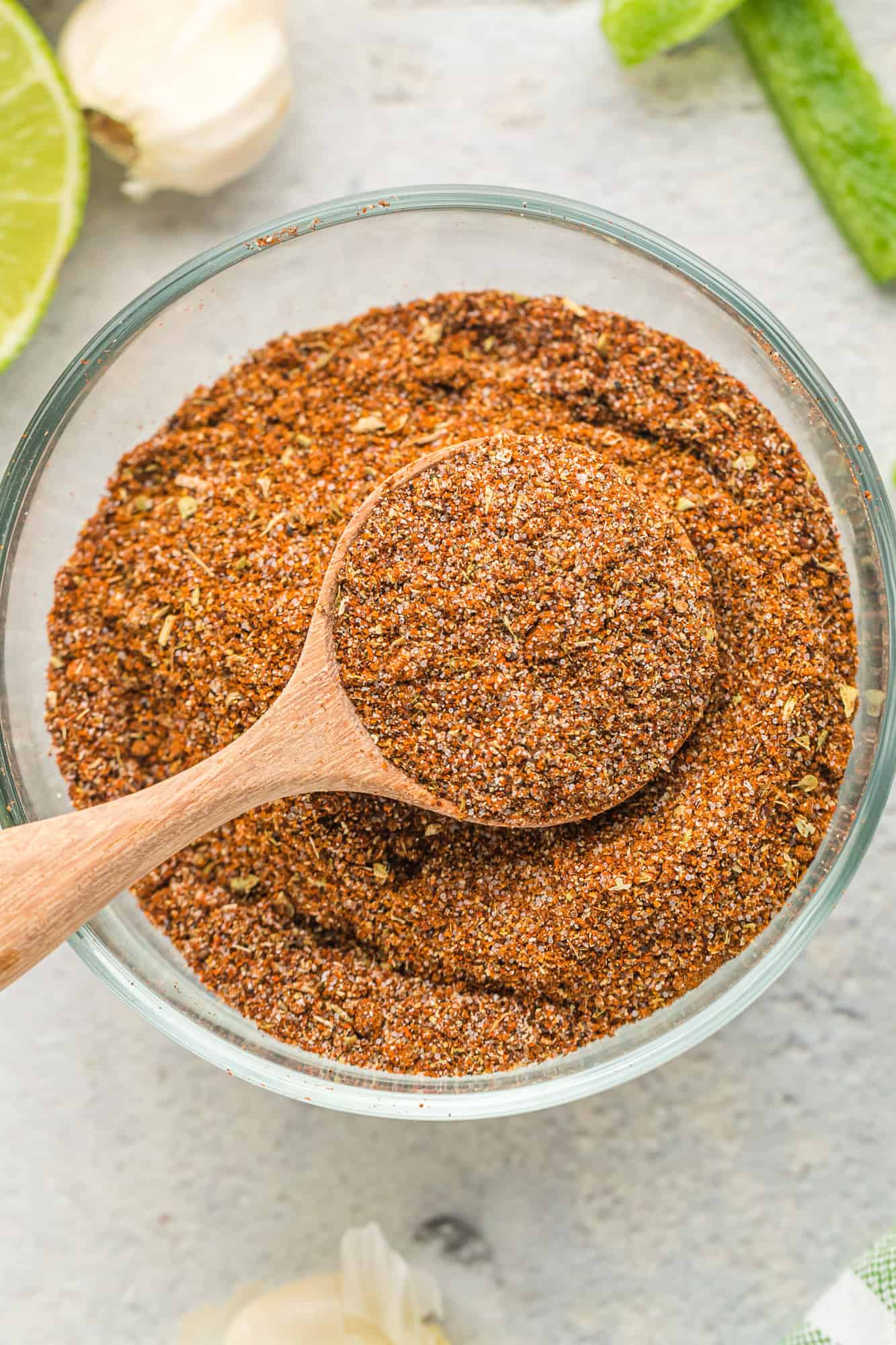
Why Homemade Fajita Seasoning Beats Store-Bought Every Time
There's an undeniable magic to fajitas. That captivating sizzle, the fragrant aroma wafting through the air, and the promise of succulent, spiced meat and vibrant vegetables wrapped in a warm tortilla – it's a culinary experience that excites the senses. While restaurant fajitas often steal the show, achieving that irresistible flavor profile at home is far easier than you might think. The secret lies not just in a screaming hot pan, but in the heart of the dish itself: the seasoning blend. And when it comes to flavor, control, and freshness, a homemade fajita seasoning recipe consistently outshines its pre-packaged counterparts.
For anyone who loves to cook and appreciates the nuances of fresh ingredients, stepping away from the store-bought packets and crafting your own spice mix is a game-changer. It's about taking back control of your kitchen, understanding exactly what goes into your food, and tailoring flavors to your exact preference. Let's delve into why making your own fajita seasoning is a culinary decision you won't regret.
The Allure of the Sizzle: What Makes Fajitas Irresistible?
Beyond the theatrical entrance of a sizzling cast iron skillet, the true soul of fajitas lies in their aromatic depth. This beloved Tex-Mex dish relies on a harmonious blend of warm, earthy, and savory spices that transform simple ingredients into something extraordinary. When these spices hit a hot pan, they bloom, releasing their essential oils and creating that mouth-watering scent that signals the feast is about to begin.
At its core, a classic fajita seasoning recipe is designed to complement and enhance a variety of proteins and vegetables without overpowering them. It brings a characteristic hint of smokiness, often from chipotle powder, a robust earthiness from cumin, and a foundational warmth from chili powder. These are typically balanced with other dried spices like garlic powder, onion powder, dried oregano, black pepper, and paprika, which collectively contribute to a complex, herbaceous, and savory profile. Many blends also include salt, making it a convenient, all-in-one flavor enhancer for your fajita night.
The beauty of this spice combination is its versatility. Whether you're whipping up classic chicken fajitas, sizzling steak fajitas, delicate shrimp fajitas, or a vibrant vegetarian version with bell peppers and onions, a well-balanced seasoning blend is the cornerstone of a successful dish. It coats the ingredients, creates a flavorful crust, and infuses every bite with that authentic fajita taste.
Unleash Your Inner Chef: Why Homemade Fajita Seasoning Reigns Supreme
While grocery store aisles are stocked with convenient fajita seasoning packets, there are compelling reasons why investing a few minutes in a homemade blend will elevate your cooking significantly. It’s not just about saving a trip to the store; it’s about superior quality, unparalleled customization, and a healthier approach to flavor.
1. Unmatched Freshness and Potency
Spices, like many ingredients, are at their peak when fresh. Pre-packaged mixes can sit on shelves for extended periods, and the spices within them may have lost a significant portion of their aromatic compounds and flavor intensity. When you make your own fajita seasoning recipe, you're likely using spices from your own pantry that you've purchased relatively recently. This means more vibrant flavors, stronger aromas, and a more potent impact on your dish. Think of it like fresh herbs versus dried – the difference is palpable.
- Tip for Freshness: Purchase whole spices when possible and grind them yourself just before mixing for the ultimate flavor boost. Store your individual spices in airtight containers away from heat and light to maximize their shelf life.
2. Total Control Over Flavor Profile
One of the biggest advantages of a homemade fajita seasoning recipe is the ability to tailor it precisely to your taste. Do you prefer more heat? Amp up the cayenne pepper or use a spicier chili powder. Love a smokier flavor? Increase the chipotle powder. Watching your sodium intake? Reduce or omit the salt entirely and add it separately to taste. Store-bought packets offer a one-size-fits-all solution, which rarely caters to individual preferences or dietary needs.
- Customization Ideas:
- For extra tang, consider a pinch of citric acid or a squeeze of fresh lime juice after cooking (acidity doesn't fare well in dry mixes).
- Experiment with different types of chili powder. As recipe developer Nicole Hopper notes, chili powder can vary greatly between brands, so find one you truly enjoy.
- Add a touch of brown sugar for a subtle sweetness that helps with caramelization.
3. Healthier, Cleaner Ingredients
Many commercial spice blends contain more than just spices. You might find anti-caking agents, MSG, artificial flavors, excessive sodium, or even hidden sugars. By making your own fajita seasoning recipe, you eliminate these unnecessary additives, ensuring a cleaner, healthier meal for yourself and your family. You control the quality and provenance of every ingredient.
4. Cost-Effectiveness in the Long Run
While the initial outlay for individual spices might seem higher, a single packet of store-bought fajita seasoning typically contains only 2.5 to 3 tablespoons – just enough for one meal. Buying spices in bulk and making your own blend is significantly more cost-effective over time. You'll have enough seasoning for numerous meals, saving money and reducing packaging waste.
Crafting Your Perfect Blend: A Guide to the Homemade Fajita Seasoning Recipe
The beauty of a homemade fajita seasoning is its simplicity. Chances are, you already have most of the necessary spices in your pantry. A typical blend includes:
- Chili Powder: The backbone of the blend, providing warmth and a subtle kick.
- Cumin: Earthy, savory, and distinctive – a defining flavor of fajitas.
- Garlic Powder & Onion Powder: Essential aromatics that add depth without the moisture of fresh ingredients.
- Dried Oregano: Herbaceous notes that complement the other spices.
- Smoked Paprika or Chipotle Powder: For that characteristic smoky undertone. Chipotle powder offers a bit more heat.
- Black Pepper: Adds a sharp, pungent bite.
- Salt: Crucial for enhancing all the other flavors.
Fajita Seasoning vs. Taco Seasoning: A Quick Distinction
While often confused, fajita and taco seasonings are similar but not identical. The primary differences lie in the ratios and specific ingredients. Fajita seasoning typically features a more pronounced cumin presence, often balanced with smoky notes from chipotle or smoked paprika. Taco seasoning, on the other hand, usually contains more chili powder and might include ingredients like coriander, which are less common in fajita blends. For a deeper dive into these nuanced differences, check out our article: Fajita vs. Taco Seasoning: Unpacking the Flavor Differences.
Practical Tips for Making and Storing Your Blend:
- Measure Accurately: Follow a reliable fajita seasoning recipe to get the base ratios correct, then adjust to your taste.
- Mix Thoroughly: Combine all ingredients in a small bowl and whisk them vigorously to ensure an even distribution of flavors.
- Storage is Key: Store your homemade fajita seasoning in an airtight container, such as a glass jar, in a cool, dark place away from direct sunlight and heat. This helps preserve its potency.
- Shelf Life: If you're using relatively fresh individual spices, your homemade blend will maintain its peak flavor for at least 6 months, and often longer. While it won't "go bad," its flavor will gradually diminish over time.
Beyond the Skillet: Creative Uses for Your Homemade Blend
Your homemade fajita seasoning recipe isn't just for classic fajitas. Its versatile flavor profile makes it an excellent all-purpose seasoning for a variety of dishes:
- Rub for Meats: Use it as a dry rub for grilling or roasting chicken, pork, or even fish.
- Roasted Vegetables: Toss potatoes, sweet potatoes, broccoli, or cauliflower with olive oil and fajita seasoning before roasting for a flavorful side dish.
- Marinades: Mix with a little olive oil, lime juice, and a touch of vinegar for a quick and impactful marinade.
- Popcorn Seasoning: For a savory snack with a kick, sprinkle it over freshly popped popcorn.
- Eggs and Tofu Scrambles: Add a pinch to your morning eggs or tofu scramble for a Tex-Mex twist.
- Soup & Chili Enhancer: Stir a spoonful into your next batch of chili, tortilla soup, or black bean soup for an extra layer of flavor.
Generally, Nicole Hopper recommends using about 1 tablespoon of seasoning per pound of meat or vegetables, then tasting and adjusting as needed. Remember, you can always add more, but you can't take it away!
Conclusion
The journey to culinary excellence often begins with taking control of your ingredients, and mastering a homemade fajita seasoning recipe is a perfect example of this principle. By choosing to blend your own spices, you unlock a world of superior freshness, customized flavor, and healthier eating, all while saving money in the long run. The next time you crave those sizzling, aromatic fajitas, skip the store-bought packet and experience the unparalleled joy and flavor that only a homemade blend can deliver. Your taste buds—and your cooking—will thank you.
