Fajita vs. Taco Seasoning: Unpacking the Flavor Differences
There’s an undeniable magic to the sizzling arrival of fajitas at a restaurant table. The aromatic steam, the vibrant colors, and of course, that mouth-watering, irresistible scent – it all conspires to create an unforgettable dining experience. But what exactly gives fajitas their signature, craveable flavor? And how does that flavor stack up against its closest culinary cousin, taco seasoning?
While often found side-by-side on grocery store shelves, these two popular Mexican-inspired spice blends, though similar, possess distinct personalities. Understanding these nuances is key to mastering your Tex-Mex creations at home. Let's embark on a flavorful journey to uncover the heart of fajita seasoning and illuminate its unique character compared to taco seasoning.
The Sizzle and Spice: What Defines Fajita Seasoning?
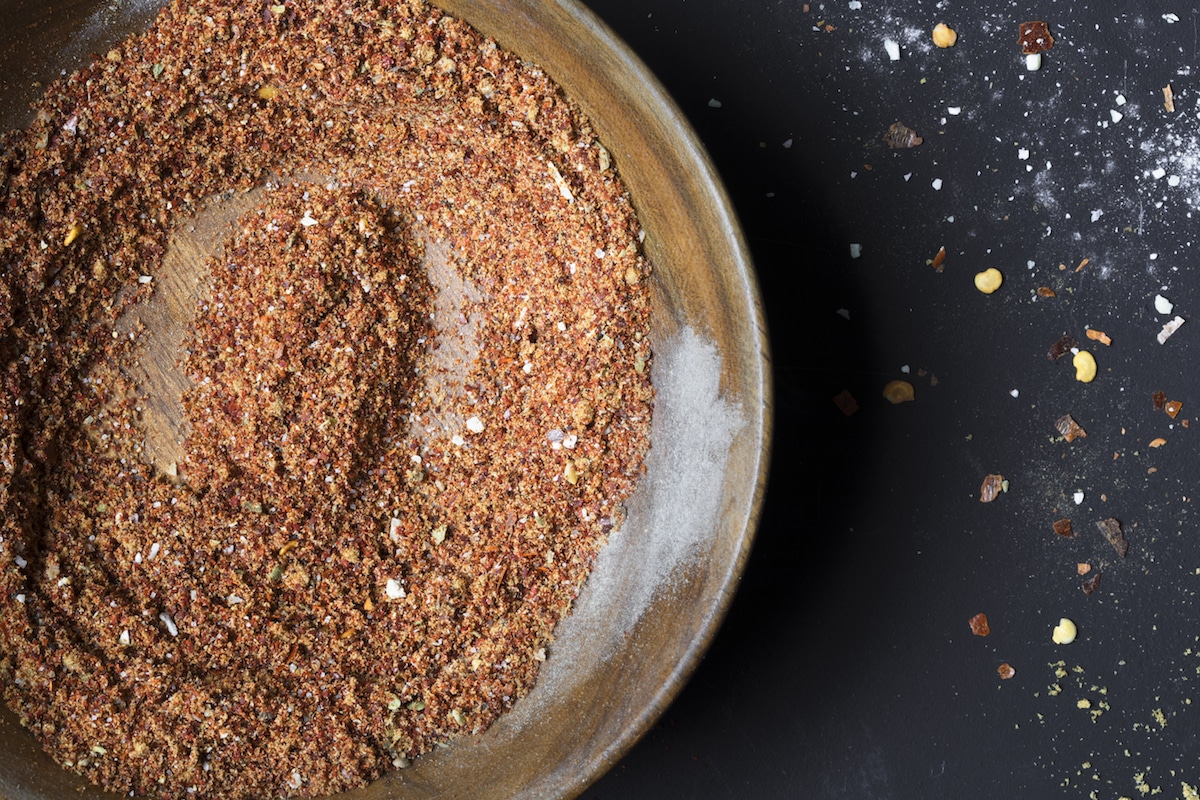
At its core, fajita seasoning is a harmonious blend of warm, earthy, and savory spices designed to infuse meats and vegetables with an incredible depth of flavor. It’s the secret weapon for transforming simple ingredients into a restaurant-quality feast with minimal effort.
The prominent players in most fajita seasoning blends include:
- Chili Powder: This provides a foundational warmth and a subtle, robust chili essence. It's important to note that chili powders can vary significantly in flavor and heat depending on the brand and chili varieties used, so experimenting to find your favorite is highly recommended.
- Cumin: Often a more pronounced flavor in fajita blends than in taco seasoning, cumin contributes an earthy, slightly pungent, and warm note that is quintessential to the fajita experience.
- Garlic Powder & Onion Powder: These alliums offer a savory depth that forms the backbone of the flavor profile.
- Dried Oregano: Lending an herbaceous, slightly peppery Mediterranean touch, oregano adds complexity.
- Paprika: Typically sweet paprika contributes a vibrant color and mild, sweet pepperiness. However, smoked paprika is often a star ingredient, offering that characteristic hint of smokiness that elevates fajitas, reminiscent of an open flame grill.
- Black Pepper: For a subtle kick and aromatic warmth.
- Salt: Most commercial and homemade blends include salt, making it a convenient one-stop seasoning solution.
When combined, these spices create a profile that is warm, earthy, savory, and lightly herbaceous, often with a very mild heat and that delightful wisp of smokiness, especially if chipotle powder or smoked paprika is included. This blend is what makes a sizzling skillet of chicken, steak, shrimp, or bell peppers and onions so incredibly aromatic and appealing.
One of the greatest advantages of making your own fajita seasoning at home is the control you gain over the freshness of your spices and the ability to customize the flavor profile. You can tweak the heat level, adjust the salt content, or amplify the smokiness to perfectly suit your palate. For more on this, you might find our article Why Homemade Fajita Seasoning Beats Store-Bought Every Time particularly insightful.
Fajita Seasoning vs. Taco Seasoning: A Flavor Showdown
At first glance, fajita and taco seasonings appear to be practically interchangeable, and indeed, they share many common ingredients. Both are aromatic spice blends designed to enhance Tex-Mex dishes, but their subtle differences lead to distinct culinary experiences.
Here's a breakdown of their primary distinctions:
- Cumin vs. Chili Powder Dominance:
- Fajita Seasoning: Tends to lean heavily on cumin. This gives fajitas their signature earthy, slightly smoky, and deeply aromatic quality that pairs wonderfully with grilled or seared meats and vegetables.
- Taco Seasoning: Often features a higher proportion of chili powder, resulting in a more pronounced, often bolder, chili-forward flavor profile. While still earthy, the emphasis shifts to the broader, often spicier notes of various ground chilies.
- Smokiness & Paprika:
- Fajita Seasoning: Commonly includes paprika, and very often chipotle powder or smoked paprika. This is crucial for imparting that characteristic hint of smokiness that evokes the restaurant experience of sizzling platters straight from the grill.
- Taco Seasoning: Typically does not contain paprika or chipotle. Its flavor profile is generally less focused on smoke and more on the straightforward warmth of chili powder.
- Other Herbs & Spices:
- Fajita Seasoning: While it has oregano, the blend is tailored to complement the searing process, bringing out rich, caramelized flavors.
- Taco Seasoning: Often includes coriander, which adds a bright, citrusy, and slightly floral note not typically found in traditional fajita blends.
In essence, if you're aiming for that sizzling, smoky, earthy depth that perfectly complements strips of seared meat and sautéed peppers, fajita seasoning is your go-to. If you're preparing ground meat for tacos and want a robust, chili-forward, and perhaps a touch brighter flavor, taco seasoning is usually the better fit.
Crafting Your Own: A Superb Fajita Seasoning Recipe
Making your own fajita seasoning recipe at home is incredibly simple and offers unparalleled advantages in terms of flavor and freshness. Forget those small, often sodium-heavy store-bought packets; with a homemade blend, you’re in control.
Here’s a fantastic base recipe for a homemade fajita seasoning, which can be scaled up easily:
- 2 tablespoons chili powder (opt for a high-quality blend you enjoy)
- 1 tablespoon ground cumin
- 1 tablespoon garlic powder
- 1 tablespoon onion powder
- 1 tablespoon dried oregano
- 1 teaspoon paprika (sweet or for a deeper flavor, smoked paprika)
- 1 teaspoon salt (adjust to your preference; consider kosher salt for better control)
- ½ teaspoon black pepper
- ¼ - ½ teaspoon chipotle powder (optional, but highly recommended for smokiness)
- Pinch of cayenne pepper (optional, for added heat)
Instructions:
- Combine all ingredients in a small bowl.
- Whisk thoroughly until well blended and no clumps remain.
- Transfer to an airtight container, such as a glass jar.
This blend will keep for at least 6 months when stored in a cool, dark place, as long as your individual spices were relatively fresh to begin with. The beauty of homemade is the ability to tweak. If you love a smoky kick, increase the chipotle powder. If you prefer less heat, omit the cayenne. The power is in your hands to create the perfect blend for your family.
To use, Nicole Hopper, a recipe developer, suggests adding approximately 1 tablespoon of this magnificent blend per pound of meat or vegetables. Toss the ingredients with the seasoning before cooking on the stovetop, in the oven, or on the grill. This ensures every bite is bursting with flavor. For a more detailed guide to achieving restaurant-quality flavors, check out Unlock Restaurant Flavor: Easy Homemade Fajita Seasoning Recipe.
Beyond the Skillet: Versatile Uses for Your Fajita Blend
While synonymous with sizzling fajitas, your homemade blend is far more versatile than you might imagine. Don't limit its use to just chicken, beef, shrimp, or bell peppers and onions. Here are a few creative ways to integrate this flavorful seasoning into your cooking:
- Marinade Base: Whisk with a little olive oil and fresh lime juice for an incredible marinade for almost any cut of meat or poultry.
- Roasted Vegetables: Sprinkle liberally over potatoes, sweet potatoes, cauliflower, or broccoli before roasting for a vibrant side dish.
- Grilled Fish: A light dusting on white fish or salmon before grilling adds a delicious, smoky depth.
- Soups & Stews: Stir a teaspoon or two into chili, chicken tortilla soup, or black bean soup for an added layer of complexity.
- Flavor Boost for Grains: Mix into cooked rice or quinoa for a flavorful side dish that complements any Mexican-inspired meal.
- Rubs for Other Meats: Try it as a dry rub for pork chops or even ribs before baking or grilling.
Remember, the magic of fajitas isn't just in the seasoning, but also in the fresh elements that complete the dish. A squeeze of fresh lime juice after cooking provides crucial acidity that brightens and cuts through the richness, elevating all the flavors. Serve with warm tortillas, fresh cilantro, avocado or guacamole, and a dollop of sour cream or crema for the ultimate experience.
Conclusion
The distinction between fajita and taco seasoning, though subtle in composition, leads to significant differences in the final flavor profile. Fajita seasoning, with its emphasis on cumin and often a smoky element, is crafted to perfectly complement the high-heat searing of meats and vegetables, delivering that iconic, restaurant-style sizzle and aroma. By understanding these nuances and embracing the ease of creating your own fajita seasoning recipe at home, you unlock a world of culinary possibilities. You gain control over flavor, freshness, and quality, ensuring every fajita night is a memorable, mouth-watering success that rivals any restaurant creation.
